

Most companies would never dream of running their brand without clear guidelines. Logos, colors, typography, tone of voice: these rules protect the brand and keep it recognizable anywhere it shows up. Yet many of these same companies design and ship physical products without an equivalent system. The result is predictable: a scattered product portfolio, inconsistent experiences, and a missed opportunity to express what the brand truly stands for.
A Visual Design Language (VDL or sometimes VBL - Visual Brand Language) is the remedy. A VDL is the set of principles, visual cues, forms, proportions, materials, finishes, and interaction patterns that define how your products look and feel. It is to hardware what the brand guide is to marketing. When so many products look alike, companies that lack a VDL miss out on valuable real estate to communicate their brand.
This need becomes especially acute for mid-market and enterprise companies that have grown through acquisition. Suddenly, the product portfolio is a patchwork of inherited designs, each born of different teams, eras, and philosophies. Instead of a unified family, you have distant cousins reluctantly sharing a shelf. Customers notice. Channel partners notice. Competitors notice. Whether consciously or not, users experience your brand as inconsistent, outdated, or unfocused.
A strong VDL solves this. It gives teams a shared vocabulary and a repeatable framework for making design decisions. In an increasingly crowded landscape of look-alike products, it ensures that every new product, no matter where it originates, carries the same unmistakable family traits. It also accelerates development. Engineers and designers no longer start from a blank page. They start with a system. That system reduces ambiguity, limits unnecessary variation, and speeds up alignment across product, marketing, sales, and leadership.
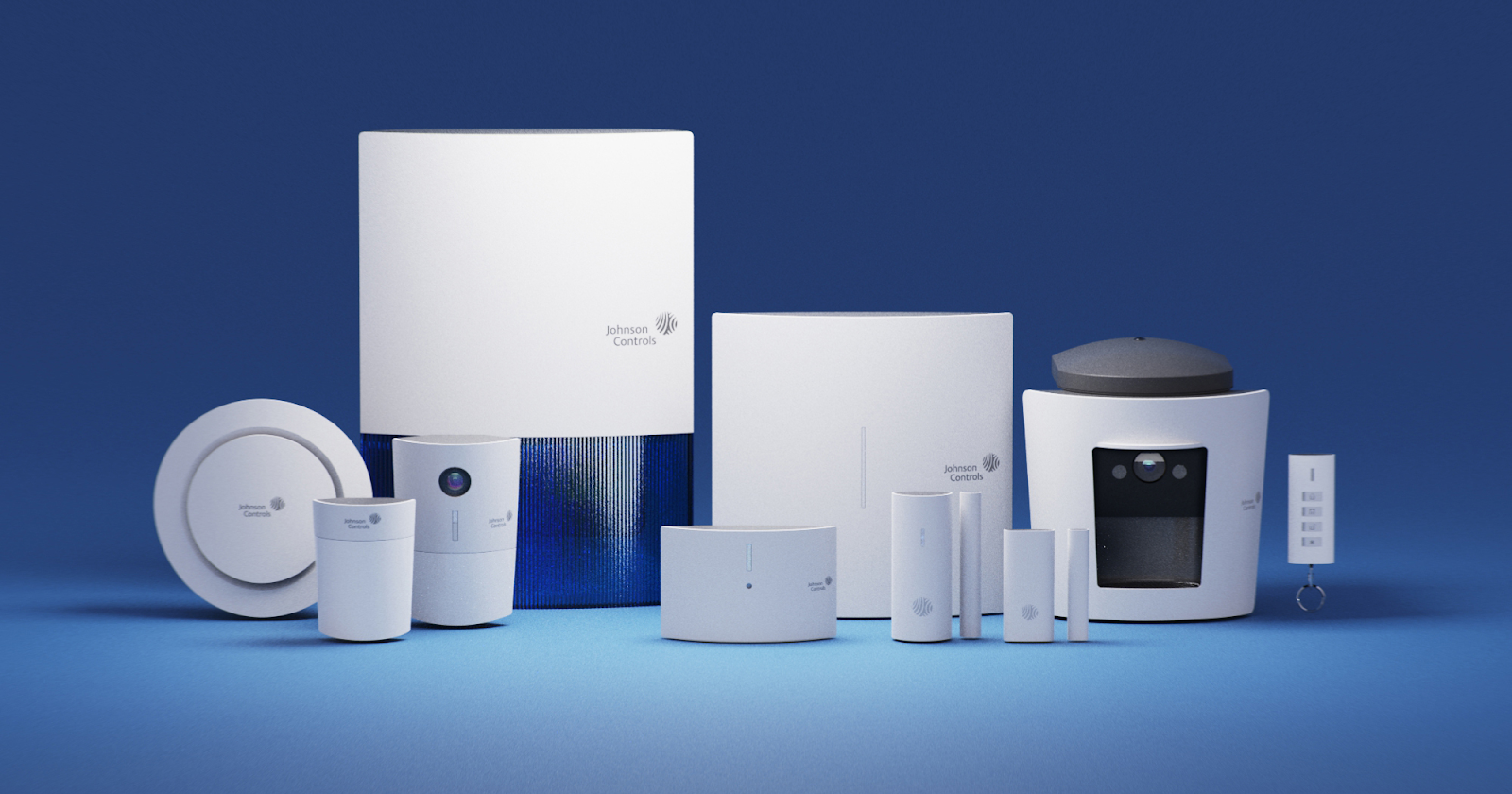
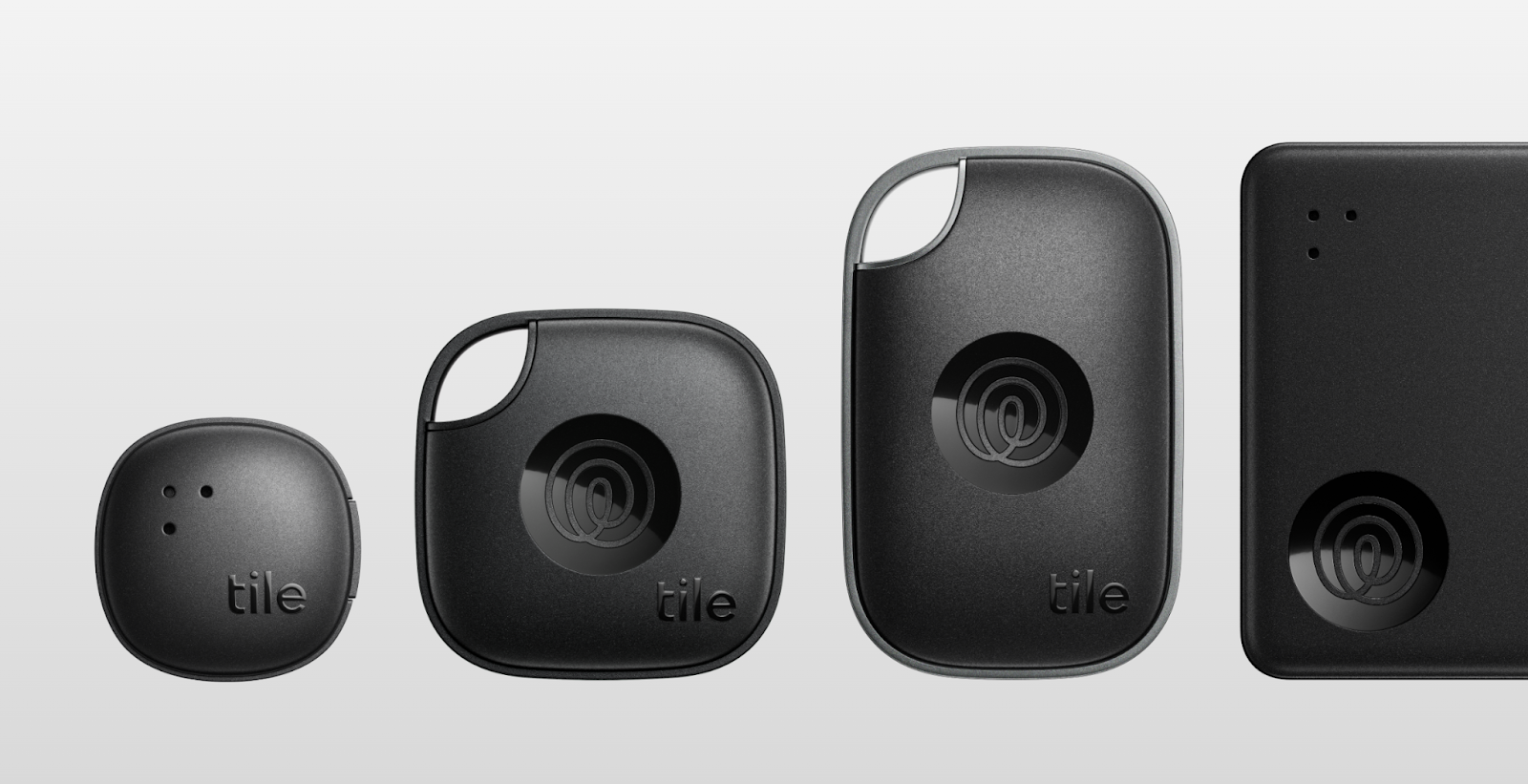
Here is how building a VDL typically works. First, we audit your existing portfolio: What are the visual patterns? Which cues feel intentional, and which are accidental? What story is being told through form, proportion, and material, and what story should be told? Then we define the brand attributes your products need to embody. Are you signaling precision? Approachability? Technical leadership? Sustainability?
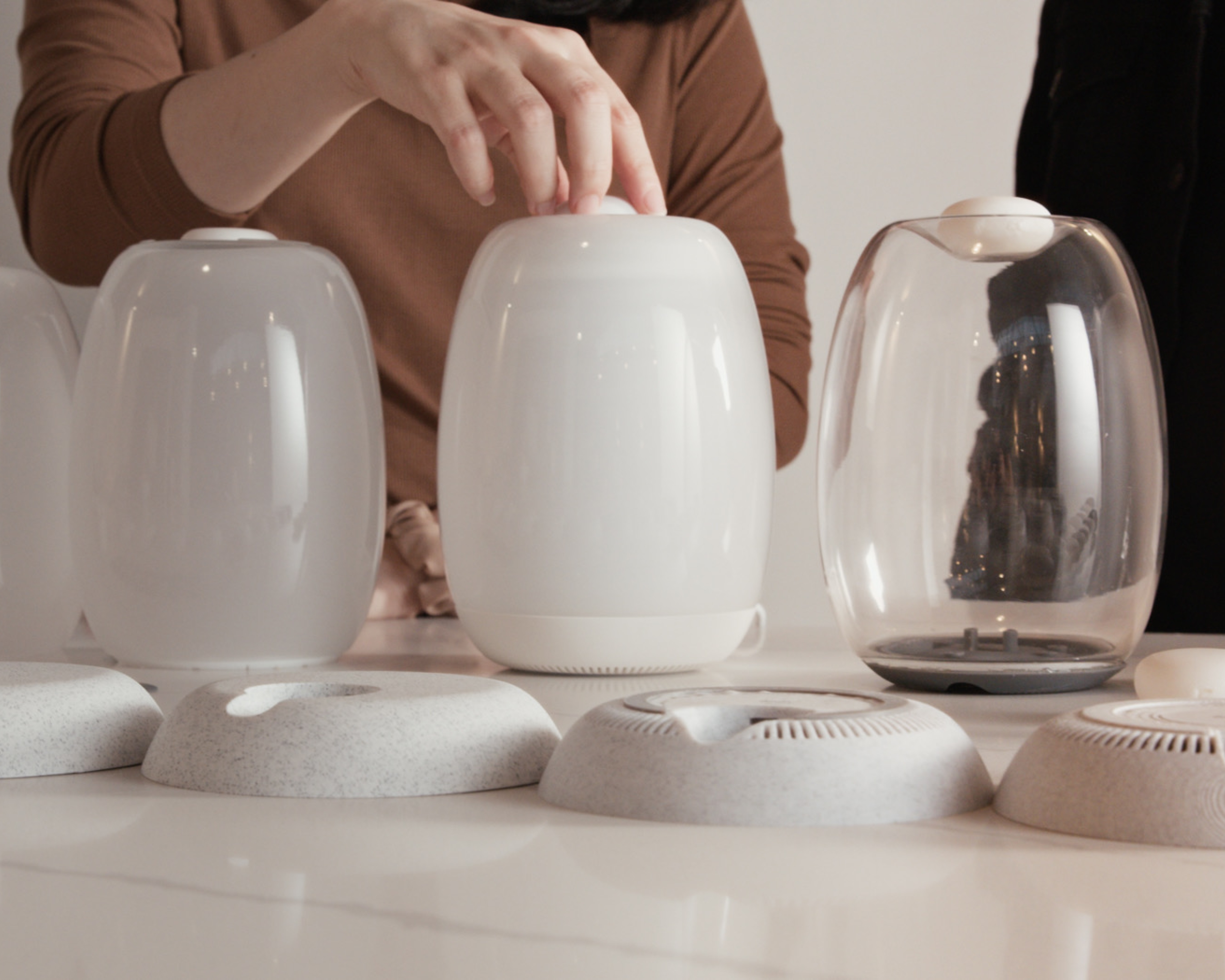
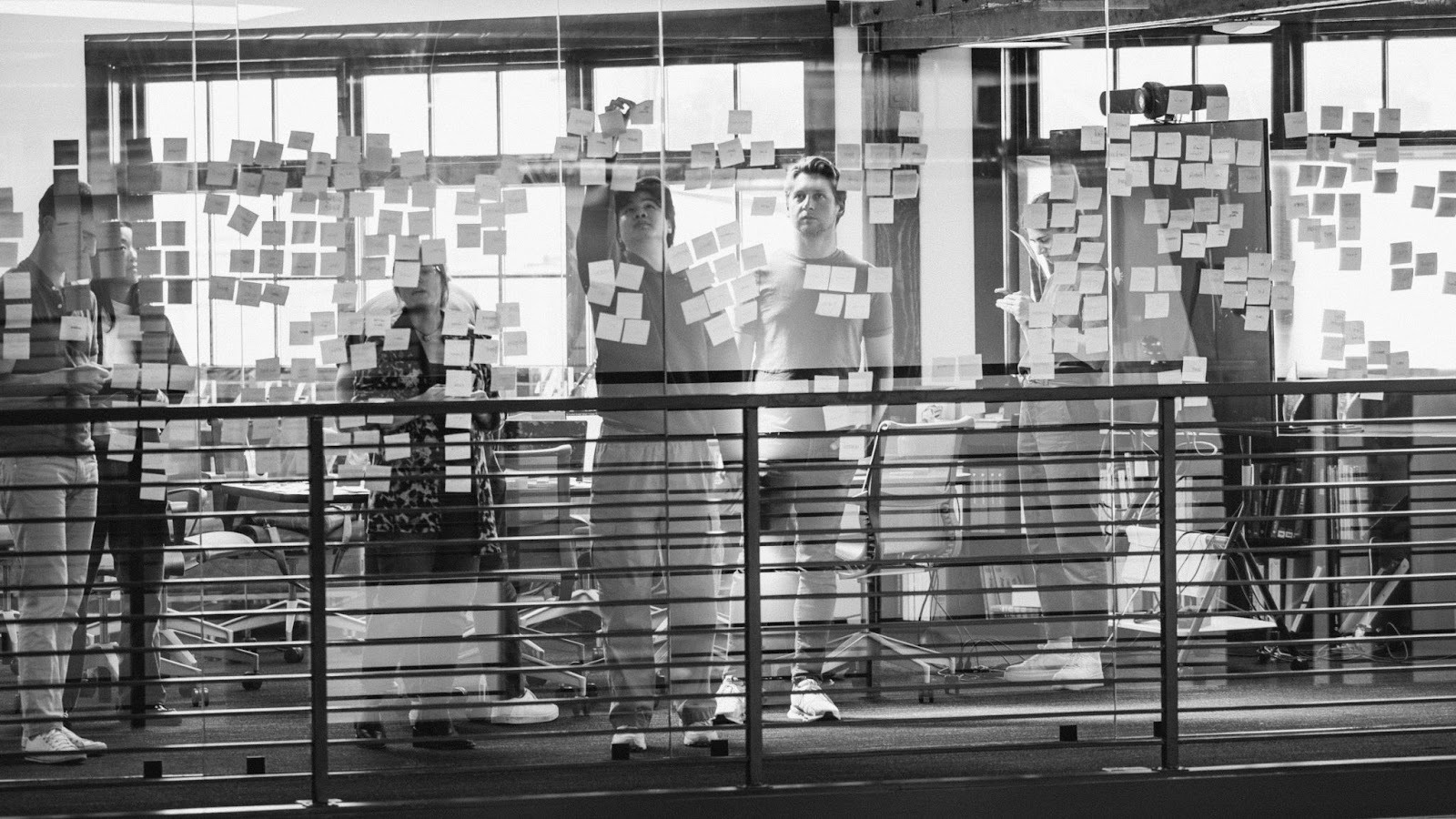
Following an audit of existing brand design attributes, every strong VDL requires hands-on physical concept exploration before the design system is finalized. This exploration includes mood and vibe definition, analog and digital sketching, 3D CAD development, and photorealistic rendering. In many cases, the VDL process also leverages select existing products as benchmarks to illustrate how design attributes can be applied. This helps ensure that design decisions are grounded in real-world feasibility and suitable for mass production.

From there, we develop a visual language made of repeatable building blocks: signature geometries, surface behaviors, material hierarchies, color and finish strategies, user interface conventions, and brand markers. This is not decoration. These elements are designed to scale from the smallest accessory to the largest flagship product. Finally, we codify the system in a playbook that teams across the organization can use: industrial design, engineering, packaging, marketing, and external partners.
A Visual Design Language is not an aesthetic exercise. It is infrastructure for scale.
Companies that invest in a VDL see the impact quickly. Their products begin to look like they come from the same world. Their brand becomes more recognizable at a glance. Their teams move faster with less conflict and acquired products are more easily integrated into the overall portfolio. Over time, the VDL becomes a strategic asset that strengthens loyalty, signals maturity, and sets the company apart in a sea of sameness.
If you would not run your brand without guidelines, you should not build products without a VDL. Companies that embrace this truth win with clarity, consistency, and unmistakable identity. Companies that do not leave that value, literally, on the table.
Share this article


.svg)
.svg)