

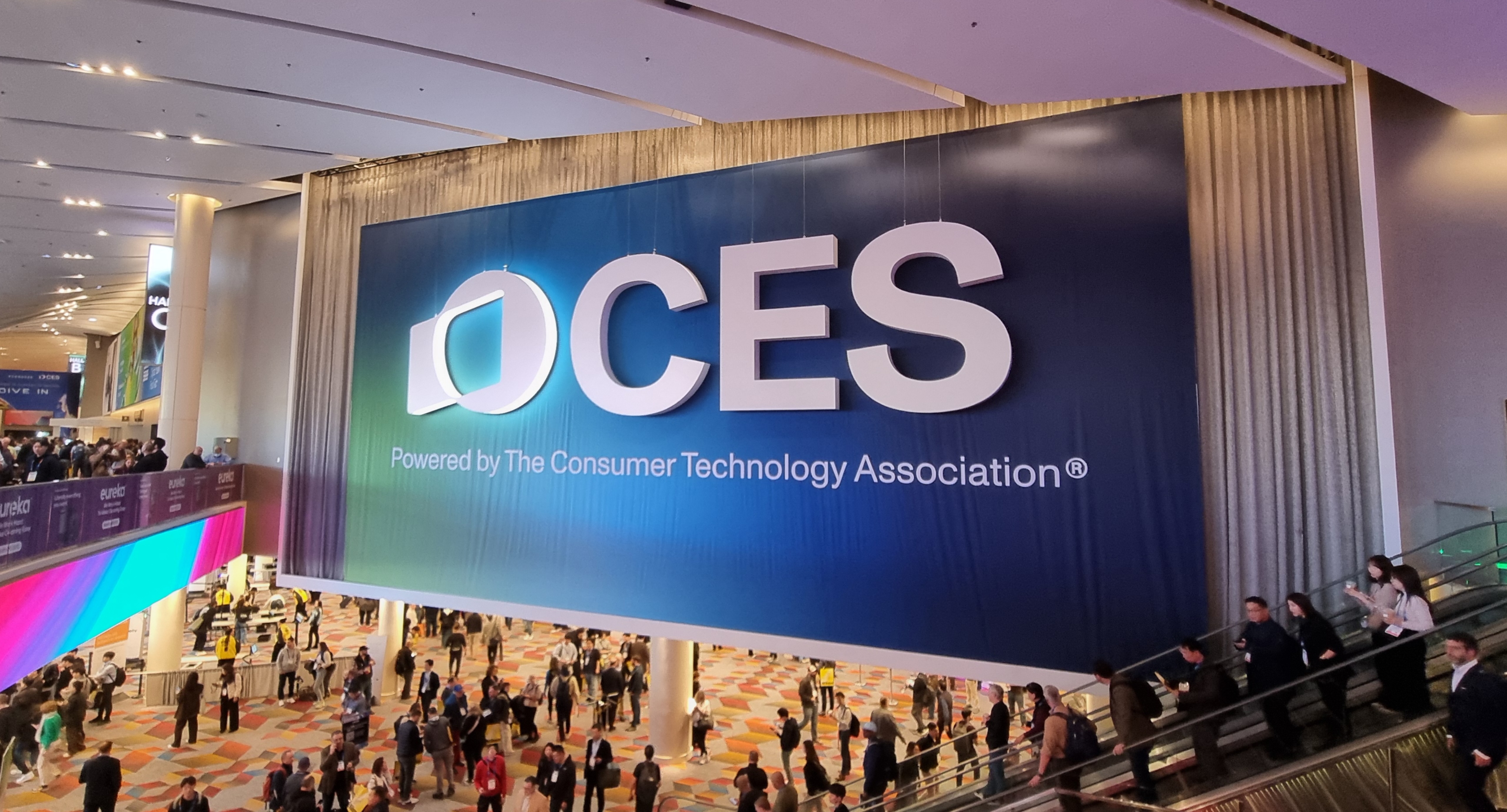
The Whipsaw team just returned from the 2026 Consumer Electronics Show, the world’s largest showcase for new innovations in consumer technology. Over the course of the week, we saw everything from humanoid robots and smart wearables to wellness tools, AI companions, and home appliances. We look to CES as a bellwether for where technology is headed, but this year, it also raised harder questions about intention. Technology is not just a collection of features, but a reflection of priorities, resources, and beliefs about what problems are worth solving.
It was impossible to avoid AI at this year’s CES. Nearly every booth promised intelligence, learning, or autonomy. Around the show floor, the language reflected a growing fatigue: AI bubble, AI saturation, AI bloat, AI slop. In some cases, AI was doing meaningful work behind the scenes. In many others, the term functioned as a catch-all substitute for “software.”
If a product processed data, combined sensors, or automated a task, it was suddenly labeled AI. Vacuum cleaners touted “AI dirt detection.” Kitchen appliances leaned on “AI cooking.” Wearables and pendants wrapped large language models around note-taking or summarization, often without much thought to whether conversation was the right interface at all.
One of the most common patterns was the impulse to make products “smart” by simply adding a conversational layer. Coffee machines that talk. Desktop companions. Wearable pendants. Even golf clubs offering verbal swing feedback. Shoving AI into a product doesn’t automatically make it intelligent. In many cases, it makes the experience lazier. Voice frequently added friction rather than value, and not every product needs to speak, listen, or simulate a relationship with its user.
What was often missing was a clear explanation of what the AI was actually doing, why it mattered, and how it improved outcomes. When intelligence becomes a marketing shield instead of a clearly defined capability, it erodes trust and makes it harder to distinguish thoughtful applications from noise. The overuse of AI does the category no favors. It dulls people’s ability to recognize genuinely good implementations and fuels a broader skepticism.
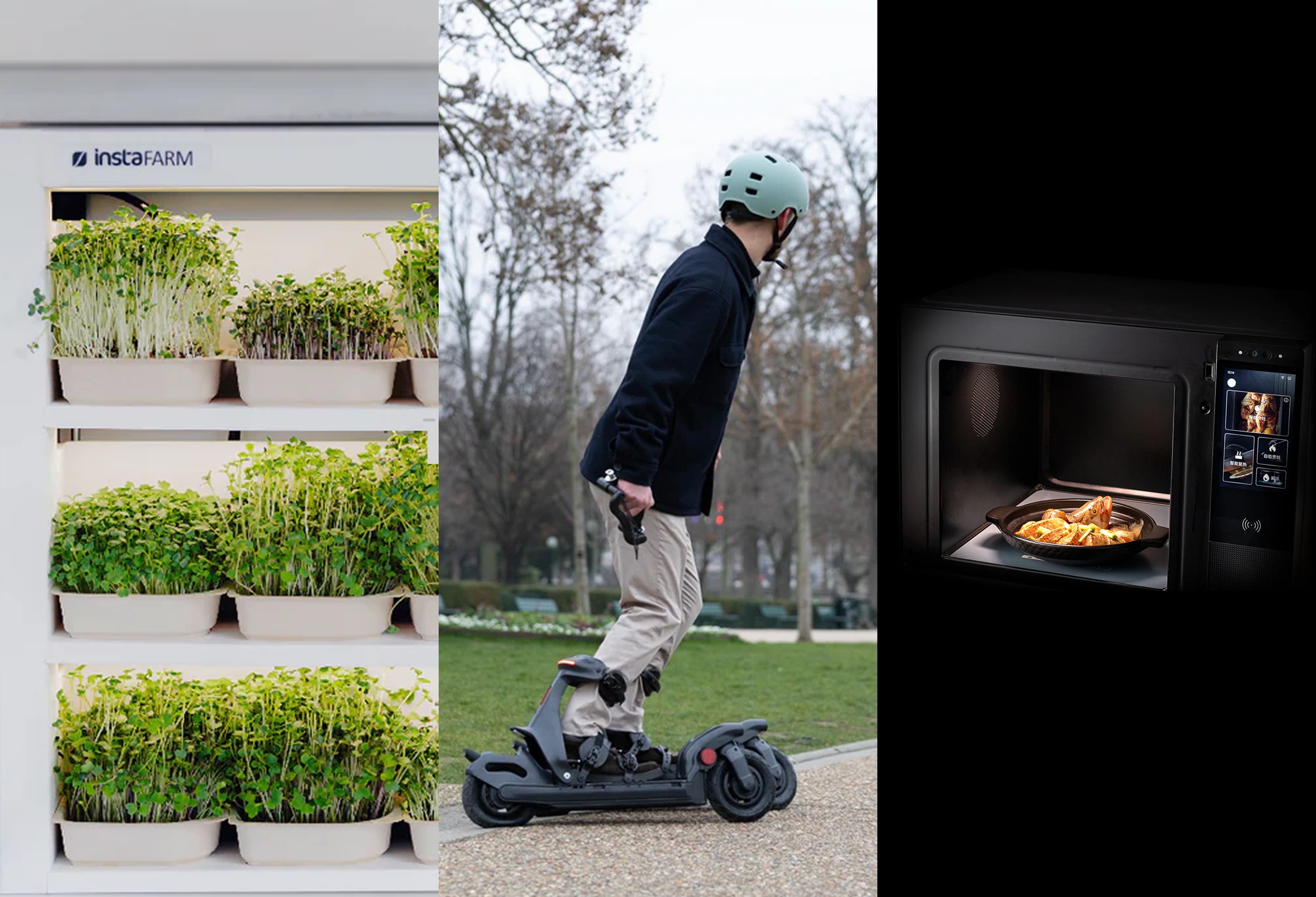
By contrast, the most compelling uses of technology at CES were grounded in clear human benefit, whether or not they called attention to the AI inside. Wan’s kitchen system uses microwave energy and computer vision to automatically locate and cook multiple foods at different temperatures at once. Raw potatoes, steak, and corn go in together. The system focuses energy where it’s needed, producing a finished meal that simply works, with no conversation required.
InstaFarm brought farm-to-table nutrition into the home by enabling people to grow microgreens and mushrooms directly in their kitchens. SkyWheel reimagined the experience of skiing on land, translating the feeling of carving into an agile, electric, roller-blade-like form factor designed by a skier and engineer who understood the experience at a visceral level.
These products weren’t loud, anthropomorphic, or overly reliant on novelty to justify themselves. They used technology, including AI where appropriate, to solve real problems with clarity and restraint.
2026 was a big year for robotics, particularly for Chinese brands that are now clearly leading this space. From humanoid home assistants to quadrupeds and wheeled worker bots, the technical progress was undeniable. Movement is smoother. Balance is better. Hand articulation is increasingly sophisticated.
Across the floor, robots largely fell into three categories: humanoids with unclear purpose; purpose-built workhorses like robotic lawn mowers, vacuums, and pool cleaners; and wearable robotics such as assistive exoskeletons.
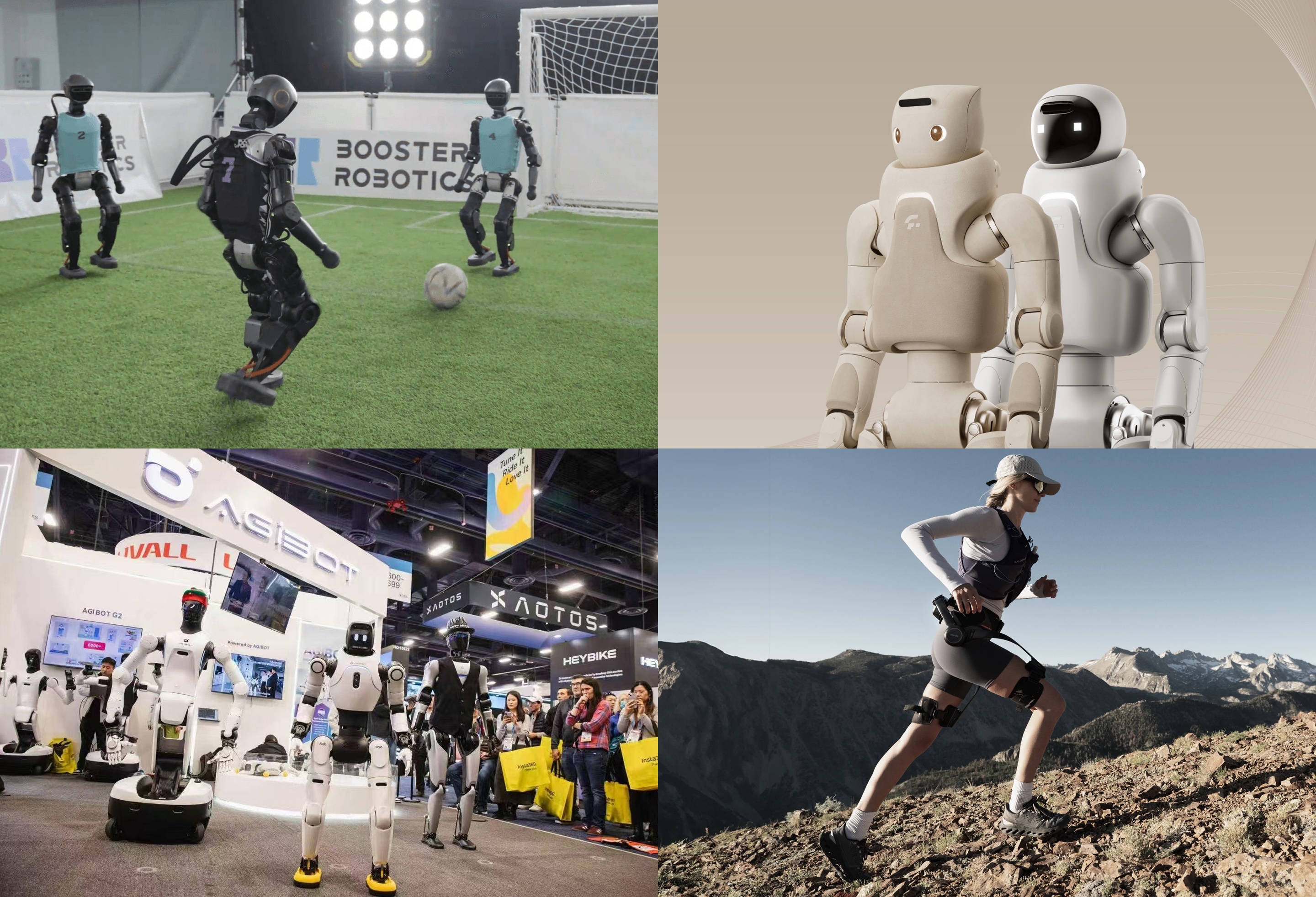
Humanoid robots drew the most attention. Companies like AgiBot and Booster Robotics showcased impressive choreography, using dance to demonstrate coordination and fluidity. Fourier’s GR-3 stood out for abandoning glossy plastic in favor of softer upholstery, making it feel noticeably more approachable. But as refined as the tech might be, most of these bots are lacking in imagination: white sci-fi bodies with black faces and pill-shaped eyes. The limited utility, low speed, high cost, and limited real-world readiness raised an uncomfortable question: are these robots solving meaningful problems, or simply proving that we can build them?
By contrast, robotics felt far more compelling when anchored to clear human benefit. Construction robots moving heavy materials. Exoskeletons like Hypershell’s X Ultra reduces physical strain during walking or hiking. Rehabilitation systems helping children and adults relearn gait. These products weren’t flashy, but they were grounded in real human problems.
Amid the AI saturation, green tech offered a quieter but welcome counterpoint. Home battery systems, modular power banks, and solar integration showed a growing appetite for resilient, responsible energy use. Companies like EcoFlow and newer entrants such as Pila Energy demonstrated how power storage and management are becoming more accessible, flexible, and better designed.
There were also glimpses of progress in battery materials and form factors, including solid-state concepts and more configurable battery arrays that could unlock new industrial design possibilities. These weren’t headline-grabbing products, but they addressed real infrastructure problems that will only become more urgent.
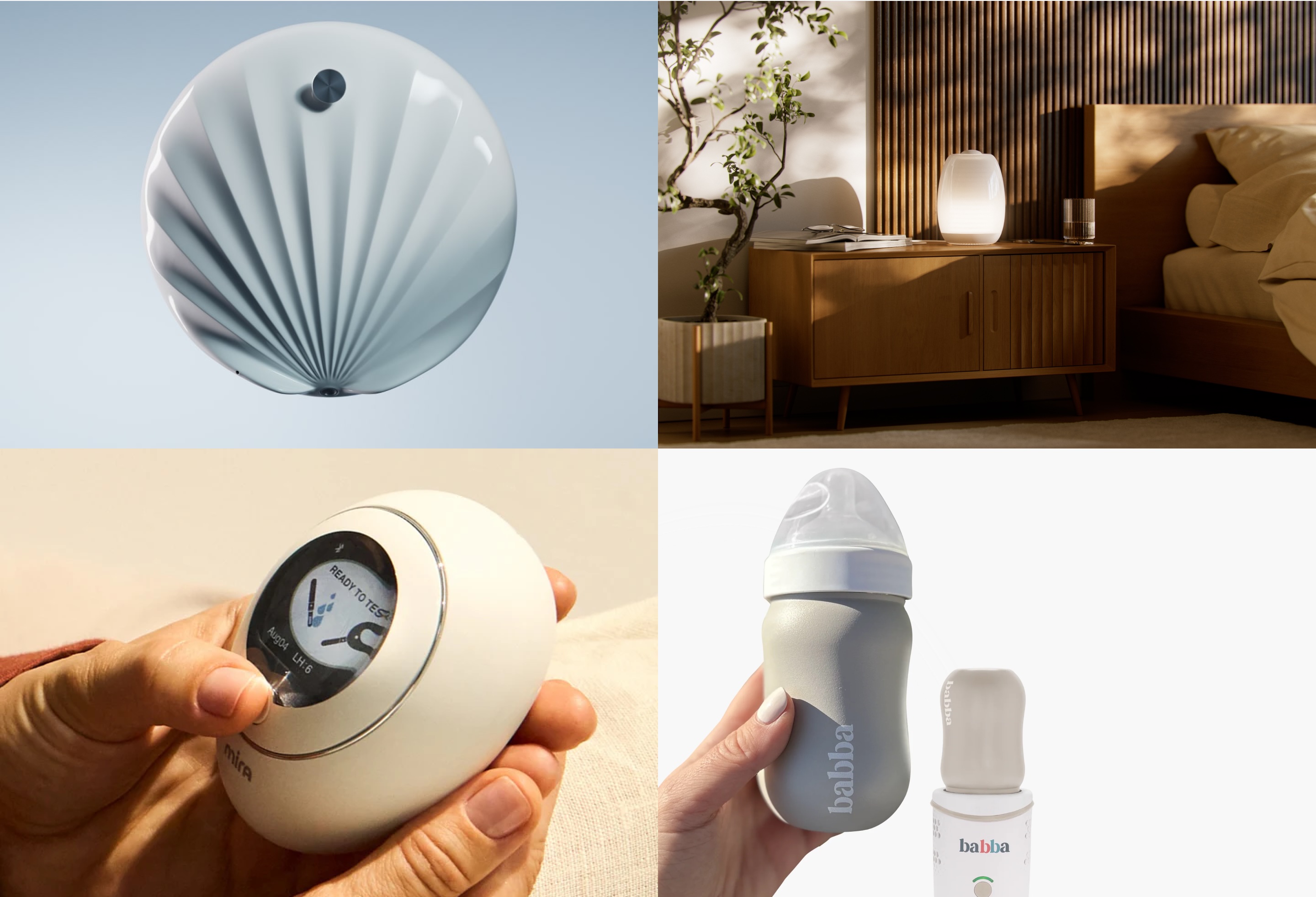
Some of the most inspiring work at CES showed up in health and wellness, particularly where technology moved beyond tracking and into action. Alongside the expected smart rings and connected scales, we saw a wave of more unconventional approaches to understanding the body: urinalysis systems from companies like Mira and Withings, disposable sensors embedded in feminine pads, and tools analyzing bioimpedance through the feet.
What stood out most were products that closed the loop between insight and intervention. Triage360’s portable sensor system allows first responders to rapidly capture vitals in emergency situations. EarFlo offers a simple, noninvasive solution that can help many children avoid ear tube surgery. Babba Care rethought how parents heat and cool baby bottles on the go with surprising care.
Data alone isn’t enough. Knowing you’re stressed, sick, or depleted doesn’t help unless you have tools to respond. That’s why products like the Whipsaw-designed Ohm Resonant Lamp resonated. It translates biometric insight into a tangible, calming ritual that actually helps regulate the nervous system. We’re far more interested in technologies that build self-awareness and agency than those that promise companionship or emotional replacement.
In an environment as saturated as CES, design was often the deciding factor between products that drew attention and those that disappeared into the noise. Baseline manufacturing quality was high across the board. Where things broke down was usability, clarity, and coherence.
Strong industrial design, intuitive interfaces, and clear brand positioning signaled intention and credibility. In crowded categories like robotic cleaners, lawn mowers, bird feeders, and bluetooth speakers, design wasn’t a “nice to have.” It was the only reliable differentiator.
We also saw the limits of unchecked proliferation. Brands offering dozens of products across unrelated categories struggled to communicate what they actually stood for. Without a clear point of view, even well-designed products blurred together.
For all the genuine innovation on display, CES also underscored the sheer volume of unnecessary production. Endless JBL-style speaker knockoffs. Disposable novelty electronics. Short-lived gadgets destined for drawers or landfills.
This year, that was compounded by generative AI–driven slop: low-effort products and content optimized for speed rather than substance. It was a sobering reminder that creation carries responsibility. Every product consumes resources, attention, and energy long after it leaves the show floor.
Ultimately, this year’s CES was a showcase for what companies can build, not what they should build. The act of creation is inherently a statement about values, priorities, and tradeoffs. These products will shape how people live, work, and relate to one another, whether intentionally or not.
As designers, we’re left with familiar but increasingly urgent questions: What problems are worth solving? Who benefits? What are the downstream impacts? And when is restraint the better choice?
We left CES encouraged by what’s possible, but clear-eyed about what’s missing. The future won’t be defined by louder claims or more autonomous systems. It will be shaped by teams willing to apply technology with clarity, humility, and purpose. We’re excited to keep doing our part to help steer it in that direction.
Share this article


.svg)
.svg)